Best Adventure Travel Experiences Around the World
Adventure travel has evolved far beyond simple sightseeing. For the modern explorer, it is a pursuit of immersive, high-stakes encounters with nature and culture that challenge the body and expand the mind. Whether you are scaling vertical ice faces or navigating untamed rivers, the world offers a curated set of experiences that redefine the boundaries of endurance and curiosity. Below, we dissect the most exceptional adventure travel experiences, ranked by intensity and technical demand, to help you engineer your next expedition.
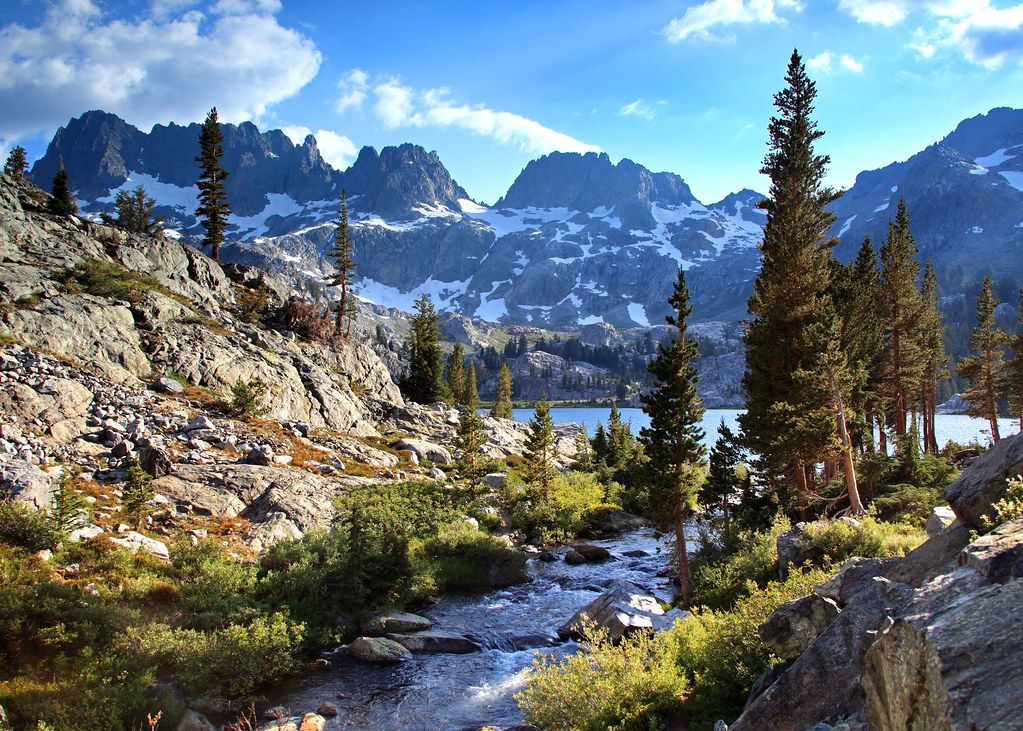
1. The Vertical Playground: Patagonia’s Mount Fitz Roy Trek
Located on the border between Argentina and Chile, Mount Fitz Roy is not for the faint of heart. This granite spire demands technical climbing skills and extreme weather resilience. The Laguna de los Tres trek is a classic route, but the true adventurer will attempt the Piedra del Fraile circuit, a multi-day traverse requiring glacier navigation and ice axe proficiency.
- Skill Level: Advanced climbing and route-finding
- Best Season: October to March (austral summer)
- Key Gear: Crampons, climbing harness, and 4-season tent
- Risk Factor: High (sudden storms, crevasses)
The payoff? Unbroken views of the Southern Patagonian Ice Field and a deep, primal silence that only high-altitude wilderness provides.
2. White-Water Extremes: The Futaleufú River in Chile
For hydrological thrill-seekers, the Futaleufú River is the gold standard. Carving through the Andes with Class IV and V rapids, this turquoise torrent offers a 40-kilometer stretch of pure adrenaline. Rafting teams require synchronized paddling, self-bailing rafts, and a high tolerance for near-capsize scenarios. Technical kayakers will find the “Inferno Canyon” section particularly punishing, with gradient drops exceeding 50 feet per mile.
- Rapid Classification: Class IV-V+
- Duration: 2 to 5-day expeditions
- Hydrology Note: Late November to March offers peak flow (6,000+ m³/s)
- Support: Professional guides mandatory for all non-expert groups
The River’s name translates to “furious,” and it earns that label with every wave. This is not a float; it is a controlled descent into chaos.
3. Subterranean Descent: The Hang Son Doong Cave System, Vietnam
Discovered in 1990 but only fully explored in 2010, Hang Son Doong is the world’s largest cave by volume. To traverse it is to enter an alien ecosystem: a collapsed ceiling reveals a pristine jungle inside the cavern, complete with its own weather system. The expedition is a 4-day, 3-night journey involving abseiling 80-meter drops, wading through underground rivers, and navigating by headlamp through chambers large enough to house a 747.
| Metric | Value |
|---|---|
| Maximum Height | 200 meters (656 ft) |
| Length of Cave | 9 kilometers (5.6 mi) |
| Difficulty Rating | Advanced (requires fitness) |
| Permits Required | Yes (limited to 1,000/year) |
| Recommended Operator | Oxalis Adventure (exclusive licensee) |
This is a logistical feat as much as an adventure. Teams must carry all waste out, and the cave’s fragile calcite formations demand zero-impact discipline. The reward is a sense of geological awe that redefines your understanding of scale.
4. The Icy Corridor: Greenland’s Arctic Circle Trail
For cross-country skiers and polar adventurers, the Arctic Circle Trail in western Greenland offers a 160-kilometer (100-mile) route through the largest national park on Earth. The terrain is a stark, white expanse of frozen lakes, glacier tongues, and howling winds. This is a self-supported journey; there are no cabins, no rescue stations, and little margin for error. Temperatures can drop to -30°C (-22°F) in the winter season.
- Navigation Method: GPS and paper maps (digital only backup)
- Daily Distance: 20–25 km per day (pulka sleds required)
- Wildlife Hazards: Polar bears (carry a flare gun or bear spray)
- Permit System: Free but requires registration with the Sirius Dog Sled Patrol
This is less a holiday and more a survival immersion. The psychological challenge of total isolation amid the ice is what separates the merely fit from the truly hardened.
5. The Vertical Ocean: Canyoning in the Swiss Alps (Splügen Pass)
Switzerland’s Splügen Pass region is a labyrinth of limestone gorges and cascading waterfalls. Canyoning here is a full-body experience: you leap from 15-meter cliffs into emerald pools, slide down natural water chutes, and rappel through narrow fissures. The Chüebodmer canyon is the standout, requiring advanced technical rope work and comfort with heights in a wet, slippery environment.
- Technical Elements: Abseiling, zip-lining, and cliff jumping
- Water Temperature: 4–10°C (near-freezing)
- Wetsuit Requirement: 5mm neoprene minimum
- Guide Ratio: 1 guide per 4 participants
The constant roar of water and the sheer force of the rapids create an almost meditative state of hyperawareness. It is a high-risk, high-reward activity for those who seek fluid movement over solid ground.
Conclusion: The Optimization of Adventure
The best adventure travel experiences are not simply about checking a box. They require meticulous planning, technical skill, and an understanding of environmental limits. From the vertical granite of Patagonia to the subterranean forests of Vietnam, each destination demands a unique toolkit—both physical and mental. For the professional adventurer, the goal is not just to survive but to execute these expeditions with precision and respect for the wild. Equip yourself with the right gear, train deliberately, and these experiences will reshape your definition of what is possible on this planet.